MAGNA-TILES Classic 32 at Walmart: Small Builds With Room for New Ideas
The MAGNA-TILES Classic 32-Piece Set at Walmart is a compact starting point for open-ended magnetic building. Its translucent squares and triangles let children move between flat patterns and…

In this guide
The MAGNA-TILES Classic 32-Piece Set at Walmart is a compact starting point for open-ended magnetic building. Its translucent squares and triangles let children move between flat patterns and small three-dimensional structures without following one fixed model. It makes most sense for a first exploration of this kind of play, rather than a promise of large shared constructions from a small box.
The quick takeaway: Choose the Classic 32 for simple shapes, rebuilding and manageable storage. If several children want to build independently at the same time, compare the actual shape mix and usable building space as well as the headline piece count.
From a flat pattern to a standing structure
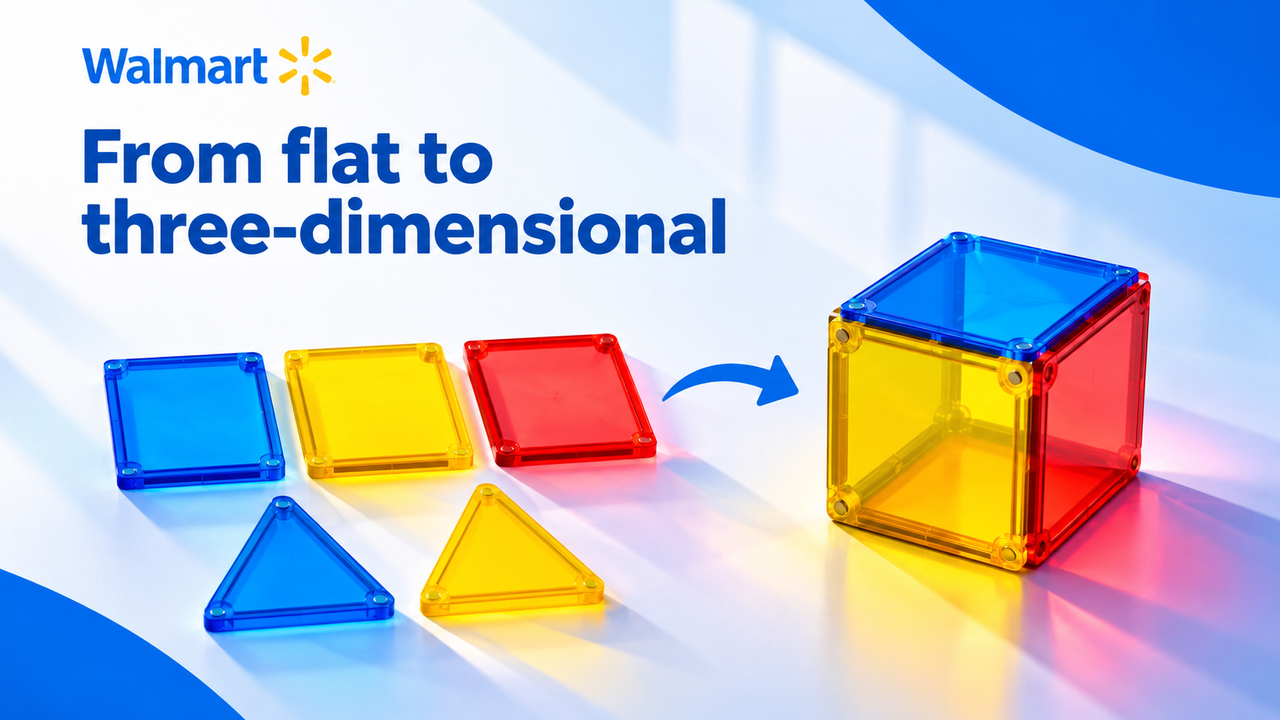
The Walmart 32-piece Clear Colors listing describes translucent magnetic shapes for children aged three and over. The manufacturer’s Classic 32 product page identifies this as item 2132. Its central appeal is a collection of reusable geometric pieces, not a single completed object.
A child can begin by arranging squares and triangles flat on a surface, then lift connected faces into a small wall or enclosure. The change makes the relationship between a flat arrangement and a standing shape visible. There is no need to start with an elaborate castle or insist that the finished object match a picture.
For an adult joining the activity, a useful prompt is “What would help it stand?” rather than immediately rebuilding it for the child. The question encourages another attempt while leaving the design in the child’s control. This is a suggested way to use the toy, not evidence that purchasing it guarantees a particular learning outcome.
Small challenges give the same pieces new jobs
Build low before building tall
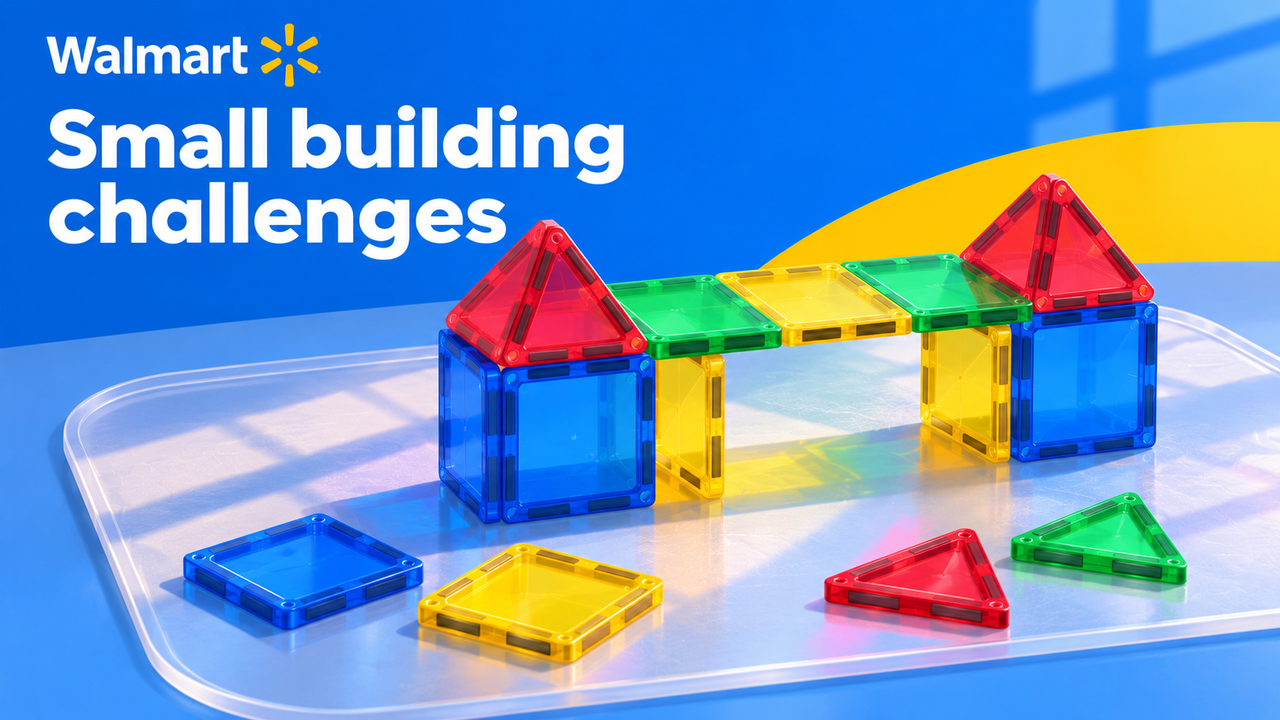
Begin with a short wall or a small enclosure, then change one part. Try a wider base or a different roof shape. When the structure falls, there is an obvious next experiment rather than a failed attempt to reproduce an oversized promotional build.
Sort, then deliberately mix
Arrange the pieces by shape or colour, then make a pattern using both. Ask the child to choose the rule for the pattern. Reversing the activity—mixing the pieces again and inventing a new rule—can keep the same set interesting without buying an expansion.
Design around a clear purpose
Suggest a tiny house, a shelter or a bridge-like form. Keep the challenge within the available pieces and let the result remain approximate. Everyday imagination gives the construction a purpose; it does not require accessories advertised separately or a specific branded character.
Use a level, clear surface and keep enough surrounding space for a build to fall without striking fragile objects. Magnetic connections make assembly approachable, but they do not turn a lightweight structure into furniture or a platform to climb on.
Thirty-two pieces feel different with two builders
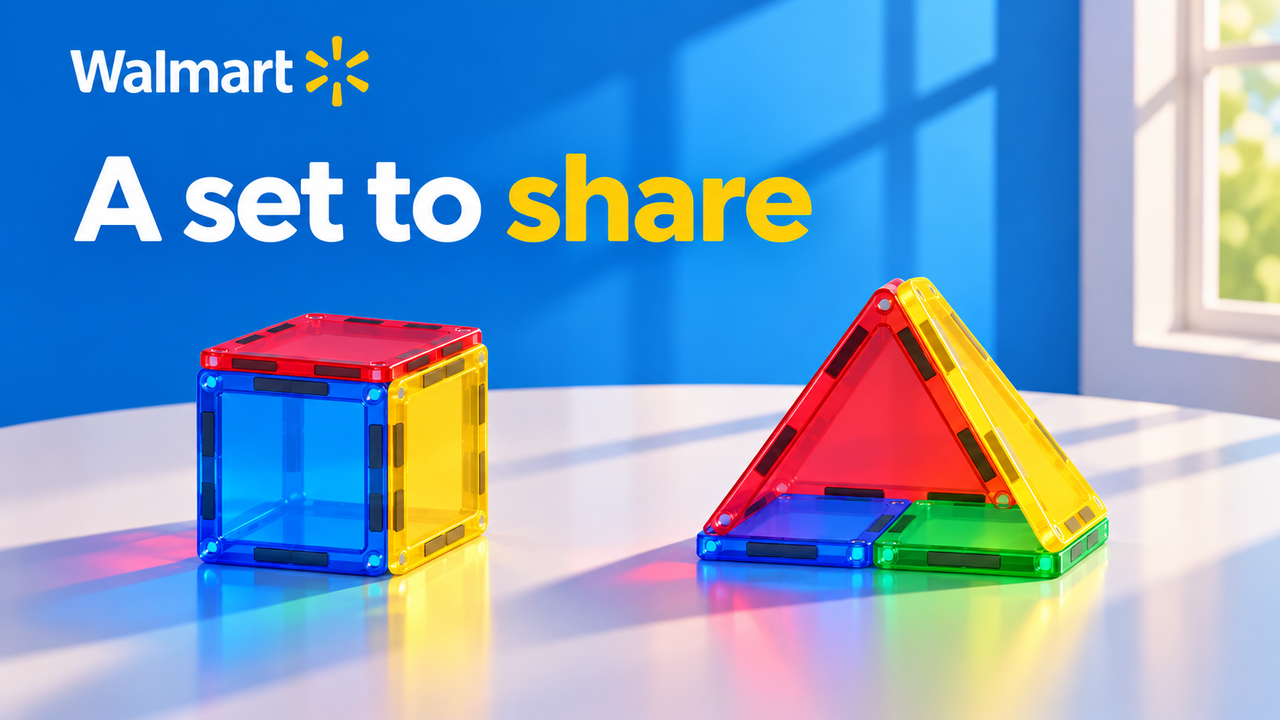
A starter set can offer plenty to explore when one child builds and rebuilds a modest structure. With two children making separate designs, the same collection is divided between projects. The issue is not simply whether the number sounds generous; it is whether the shapes needed for both designs remain available.
For shared play, decide between a joint project and separate building areas. A joint project can use the whole collection, while separate areas help children keep ownership of their designs. Neither method is compulsory. The useful purchase question is which arrangement is likely to happen in your home.
A larger set may be worthwhile if independent simultaneous building is already a normal activity. It is less convincing as an automatic first purchase for a child who has never shown interest in magnetic construction. Starting smaller can reveal which shapes and activities are actually enjoyed before an expansion is chosen.
Compare the kind of play, not just the count
Basic wooden blocks suit stacking without magnets. Interlocking construction bricks create a different kind of connection and can suit children who enjoy retaining a model for longer. A magnetic tile set is especially interesting when connecting broad shapes and quickly changing an enclosure are part of the attraction.
When comparing magnetic sets, inspect the actual contents. Decorative elements, vehicles, smaller travel pieces and large flat shapes should not be treated as identical units. Dividing the price by the number of pieces can be a rough starting point, but it does not describe how much useful wall, floor or roof material a child receives.
If the household already owns magnetic tiles, establish compatibility from the relevant product information before treating another set as an expansion. Similar colours or a familiar square shape do not establish that every brand and range will connect as expected.
Follow the package’s age and safety instructions. Inspect the tiles periodically and remove damaged pieces from use. A retailer description calling a toy unbreakable should not be interpreted as permission to ignore damage, especially in a product containing magnets.
A useful first set needs no elaborate accessory order
Set aside a simple storage location that keeps the collection together. A child who can find the shapes and clear a building surface has a more usable toy than one whose pieces disappear into several unrelated boxes. A specialist storage accessory is optional unless it solves a problem you already have.
No live saving is claimed for the Walmart offer. Compare the complete selected set, seller and delivered amount, then read its return and any applicable warranty information. Our Walmart seller guide helps distinguish the product page from the business supplying the chosen offer.
- Match Classic 32, item 2132, rather than another tile format.
- Choose a first activity suited to a modest collection.
- Decide whether children will share a build or work separately.
- Compare useful shapes, storage and the complete offer before adding extras.